


Future Now
The IFTF Blog
 SUBSCRIBE
Future NOW Blog
IFTF News from the Future #80
Oct 06, 2022
IFTF Equitable Enterprise Newsletter | September
Sep 28, 2022
Sparking a Sense of Hope & Agency
Sep 19, 2022
IFTF News from the Future #79
Sep 08, 2022
Designing an Anticipatory Institution
Aug 26, 2022
IFTF Equitable Enterprise Newsletter | August
Aug 24, 2022
IFTF News from the Future #78
Aug 24, 2022
IFTF News from the Future #77
Aug 02, 2022
IFTF Equitable Enterprise Newsletter | July
Jul 27, 2022
IFTF News From the Future #76
Jul 14, 2022
What Exactly is Futures Thinking?
Jun 28, 2022
IFTF News from the Future #75
Jun 23, 2022
CA 100 MEGA Scenarios
Jun 22, 2022
IFTF Equitable Enterprise Newsletter | June
Jun 16, 2022
Congratulations, Urgent Optimist founding members!
Jun 13, 2022
Deploying Artists as Futurists and Policy Makers
May 27, 2022
IFTF News from the Future #74
May 24, 2022
IFTF News from the Future #73
May 19, 2022
IFTF Equitable Enterprise Initiative Newsletter #6
Apr 29, 2022
How a Public Utility Used Foresight to Take Action
Apr 21, 2022
IFTF News from the Future #72
Apr 07, 2022
New Course: Designing Sustainable Futures
Mar 30, 2022
How to Win Over Your Futures Skeptics
Mar 28, 2022
IFTF News From the Future #71
Mar 24, 2022
News From the Future #70
Mar 10, 2022
Urgent Optimist Is
Mar 01, 2022
News From the Future #69
Feb 17, 2022
IFTF News from the Future #68
Jan 26, 2022
News from the Future #67
Dec 22, 2021
The small, compact city of San Francisco was hosting a large conference. People were flying into the foggy city from all over to attend the event....


New Insights Analysis From IFTF + Smithsonian Futures Beacons Exhibit Sparks Greater Sense of Hope and Agency...


Signals are evidence of the future that we can find in today’s world. They are concrete, compelling observations about how the world is changing that...

In December 2020 we spoke with Aarathi Krishnan, when she was months into a new foresight role at the UN Development Program (UNDP). At the time, it...
Public Conversations about Equitable Enterprise


Re-Working the Future Event, Knowledge Mobilization 2030, and IFTF Foresight Essentials training in...


As a futurist I often get the question: What really is “futures thinking” and why should I care? ...

IFTF Releases “Mega Scenarios Toolkit” To Help Decision Makers Explore Urgent Futures Facing California...

Congratulations to everyone who seized the window of opportunity to help build this community from...

“What if we treated the art of cultivating dignity as an intentional economy? What if dignity was currency and the raw material to make it was...


Climate change is one of the most urgent future–and present–issues to consider in any foresight project. It will continue to be a major driver of...
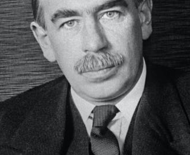
“We are suffering from a bad attack of economic pessimism. It is common to hear people say that the epoch of enormous economic progress is over and...


The following is an excerpt from Jane McGonigal’s Imaginable: How to See the Future Coming and Feel Ready for Anything, Even Things that Seem...